Organizing a research catalog for clarity
Research areas, permanent catalog codes and lot numbers — how the catalog helps you find the right material quickly and confirm exactly what it is.
ALORA Research editorial teamPublished Last reviewed 1 min read
The short answer
The ALORA catalog is organized around two ideas. Research areas — Metabolic, Recovery & tissue, Growth factor, Cellular & longevity and Aesthetic — are for browsing. Fixed identifiers are for certainty — a permanent catalog code for each compound and a lot number on each vial that opens its record in the COA library.
A research catalog is only useful if you can find the right material quickly and confirm exactly what it is. The ALORA catalog is organised around two ideas: research areas for browsing, and fixed identifiers for certainty.
Research areas
Compounds are grouped by the area of research they are studied in — Metabolic, Recovery & tissue, Growth factor, Cellular & longevity, and Aesthetic. The groupings describe research context only; they are a way to browse, not a statement about what any compound does.
Identifiers that don't change
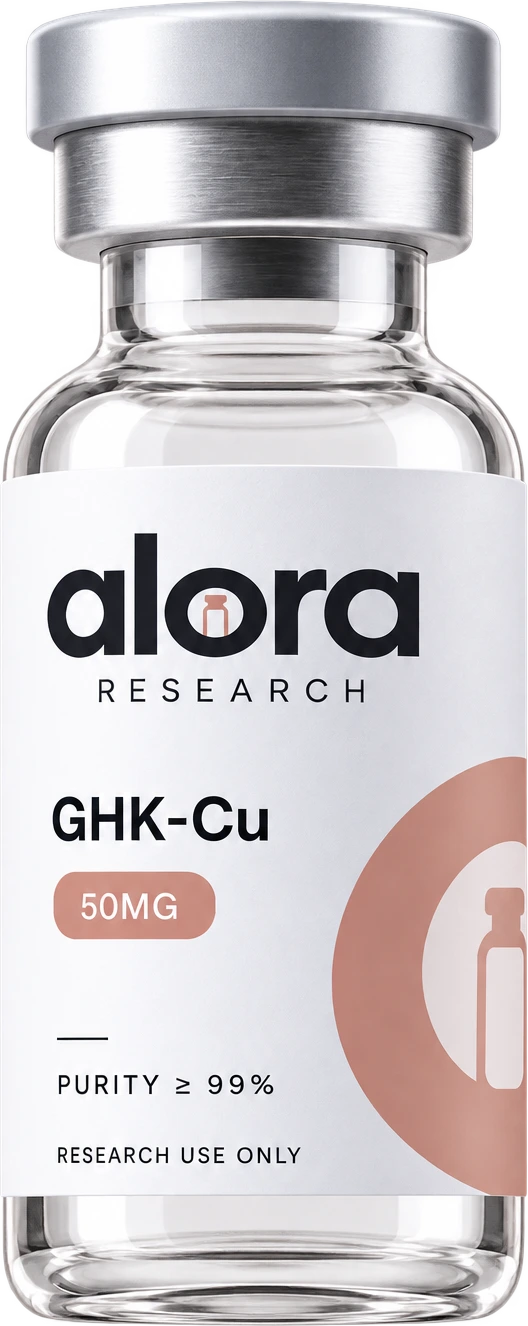
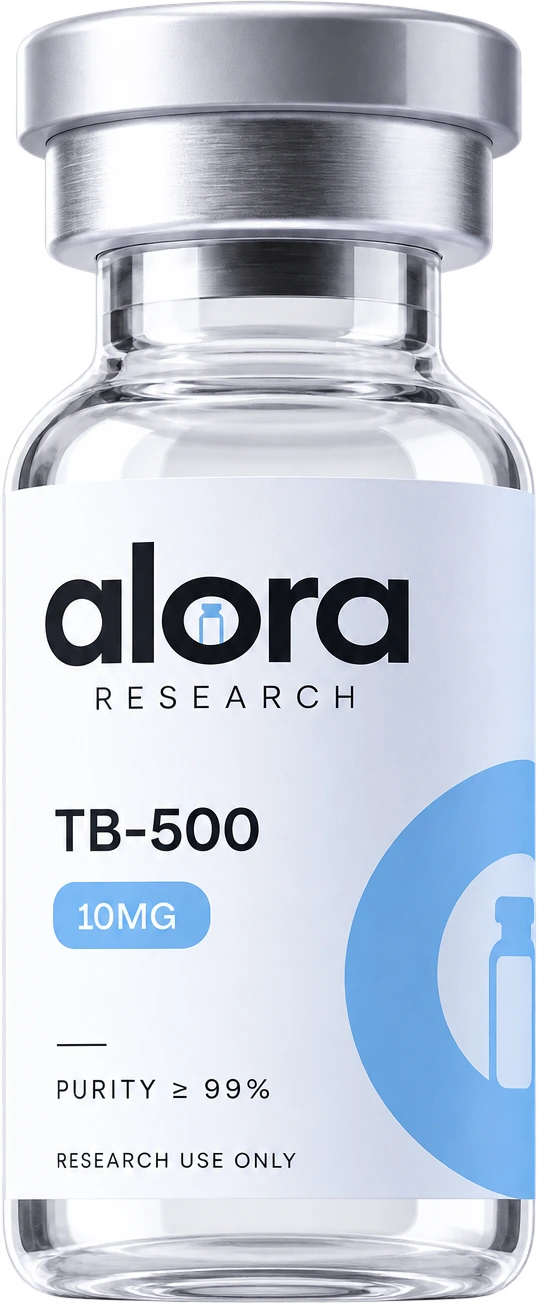
Each compound carries a permanent catalog code, and each vial carries its lot number. The catalog code tells you which compound you ordered; the lot number tells you which batch you received and opens its record.
Documentation on every listing
Every product page shows the strength supplied, the form, storage notes and the current lot, with a link to that lot's record in the COA library. Compounds still waiting on their first documented lot say so, rather than showing a placeholder figure.